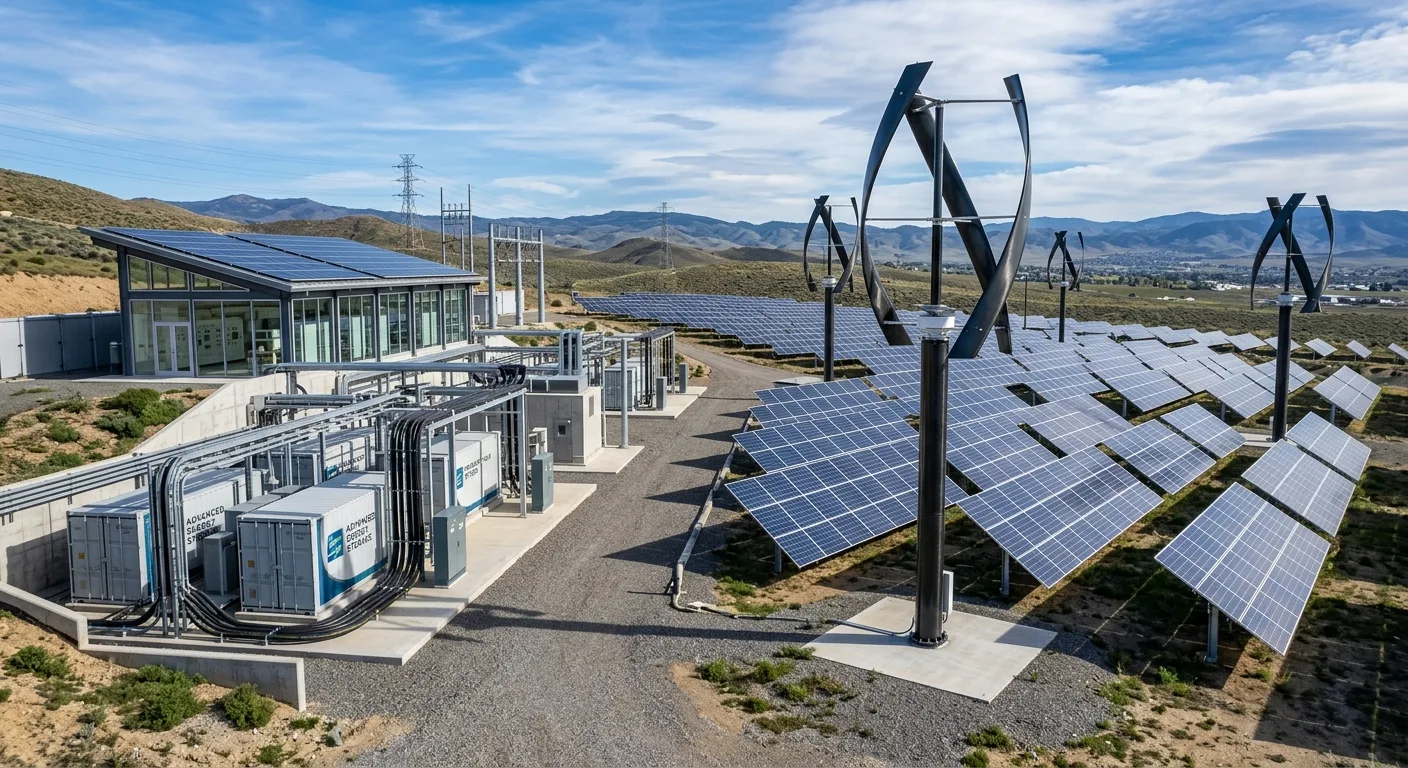
Overview of Green Hydrogen Production Technologies Suitable for Canada
Green hydrogen, produced through electrolysis powered by renewable energy, stands as a cornerstone of Canada's clean energy future. The country's abundant hydroelectric, wind, and solar resources provide an ideal foundation for large-scale green hydrogen production. Proton Exchange Membrane (PEM) electrolyzers and alkaline electrolyzers are two primary technologies well-suited for integration with Canada's diverse renewable energy grid.
Advancements in electrolyzer efficiency and cost reduction are crucial for making green hydrogen competitive. Research focuses on improving catalyst materials and system designs to enhance performance. Canada's cold climate also presents unique opportunities and challenges for these technologies, requiring specific adaptations to optimize operation and energy consumption in varying environmental conditions.
Designing and Implementing a National Hydrogen Pipeline Network
Scaling a hydrogen economy in Canada requires a comprehensive national pipeline infrastructure. This involves both repurposing existing natural gas pipelines and constructing new dedicated hydrogen pipelines. Technical considerations include material compatibility, pipeline integrity, and compression stations designed for hydrogen's unique properties, which differ significantly from natural gas.
Strategic planning for pipeline routes must connect major production hubs with demand centers, including industrial zones and transportation corridors. Interprovincial cooperation and regulatory harmonization are essential to facilitate the efficient development and operation of such a network, ensuring a seamless flow of hydrogen across the country to meet growing energy needs.
Unlocking Canada's full hydrogen potential demands a unified approach, integrating renewable energy with advanced infrastructure.
Hydrogen Storage Solutions for Industrial and Transportation Sectors
Effective hydrogen storage is critical for both industrial applications and widespread adoption in the transportation sector. For industrial use, underground storage in salt caverns or depleted natural gas reservoirs offers large-scale, cost-effective solutions, particularly in regions with suitable geological formations. These methods provide the necessary capacity for seasonal or long-term energy balancing.
In transportation, on-board storage solutions for vehicles, such as compressed gas cylinders and liquid hydrogen tanks, are continually evolving. Research into solid-state hydrogen storage materials and chemical carriers like ammonia or liquid organic hydrogen carriers (LOHCs) aims to improve energy density, safety, and refueling infrastructure, making hydrogen vehicles more practical for Canadian consumers and fleets.
Policy Support and Funding Mechanisms for Canada's Hydrogen Strategy
Canada's national hydrogen strategy outlines a clear vision, but its success hinges on robust policy support and targeted funding. Government incentives, such as production tax credits and capital grants for infrastructure projects, are vital to de-risk early investments and accelerate deployment. Regulatory frameworks need to be adapted to accommodate hydrogen production, transport, and safety standards.
Collaborative funding models involving federal, provincial, and private sector contributions can foster innovation and develop a competitive hydrogen market. International partnerships also play a role in sharing best practices and technology, positioning Canada as a global leader in green hydrogen production and export, thereby contributing to global decarbonization efforts.