Battery Technologies: Lithium-ion vs. Flow Batteries
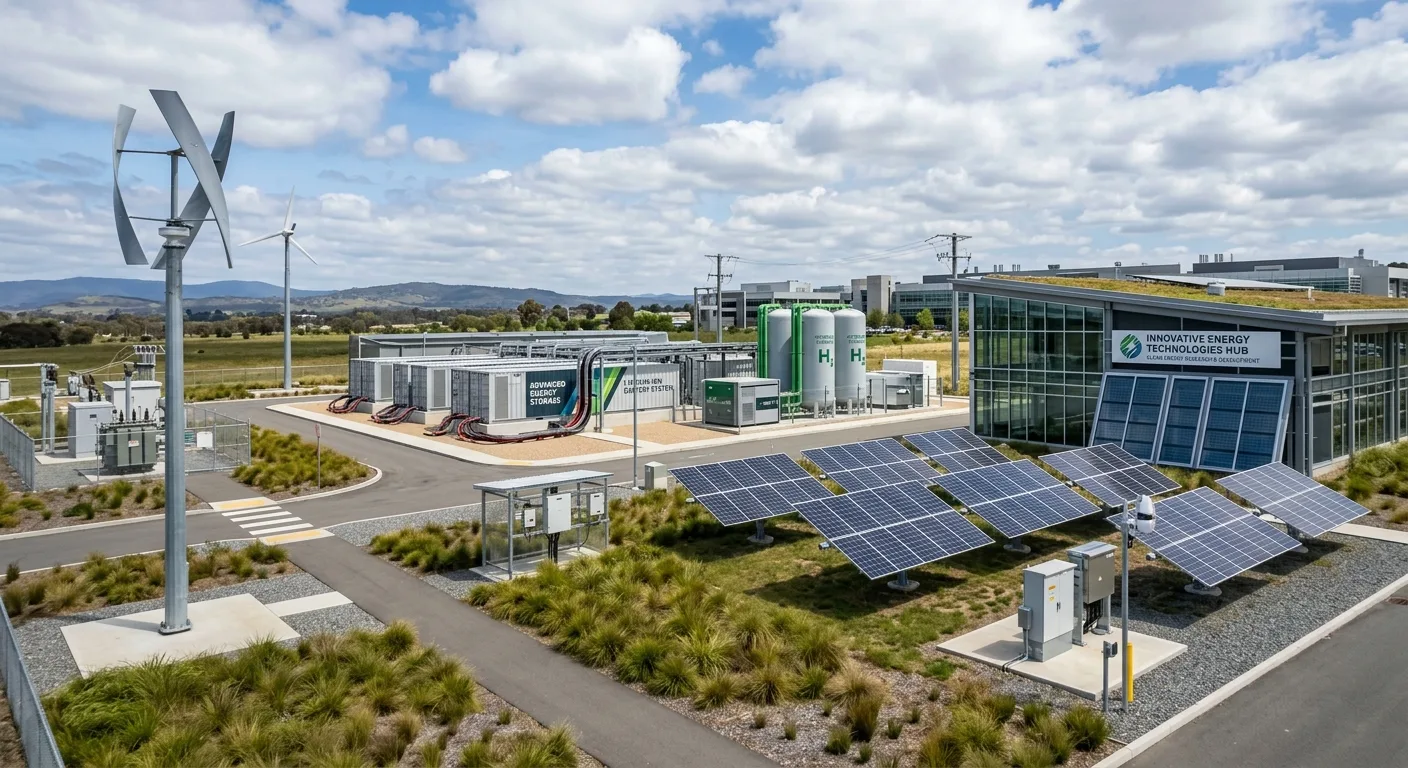
Grid-scale energy storage often relies on battery technologies, with lithium-ion and flow batteries being prominent contenders. Lithium-ion batteries offer high energy density and rapid response times, making them suitable for short-duration power applications and frequency regulation within Canada's diverse electrical grids. However, their lifecycle costs and performance degradation in extreme cold present considerable challenges for widespread adoption.
Flow batteries, in contrast, provide scalable long-duration storage with decoupled power and energy capacities. Their design allows for greater flexibility and longer operational lifespans, which is advantageous for integrating intermittent renewable sources like wind and solar, particularly in remote Canadian communities. The lower energy density and larger footprint are offset by enhanced safety and better performance in varying temperatures.
Thermal Storage for Industrial and District Heating
Thermal energy storage (TES) offers a compelling solution for industrial processes and district heating systems, especially in Canada's cold climates. Utilizing materials like molten salt, water, or phase-change materials, TES captures heat during periods of low energy demand or excess renewable generation. This stored heat can then be released to meet heating needs, reducing reliance on fossil fuels and lowering operational costs.
Applications range from storing solar thermal energy for buildings to capturing waste heat from industrial facilities for later use. In northern regions, where heating demands are significant, integrating TES with combined heat and power plants or renewable energy sources can significantly improve energy efficiency and contribute to decarbonization efforts, providing a stable and resilient energy supply.
A diversified portfolio of energy storage solutions is not merely an option, but a necessity for Canada's energy future, balancing innovation with geographic realities.
Leveraging Canada's Geography: Pumped Hydro and CAES
Canada's vast and varied geography presents unique opportunities for large-scale mechanical energy storage solutions like pumped hydro and compressed air energy storage (CAES). Pumped hydro energy storage (PHES) systems, which use elevation differences to store and release energy, are already a significant contributor to grid stability in several provinces. Their long operational life and large capacity make them ideal for balancing the grid over extended periods.
Compressed air energy storage (CAES) systems, while less common, hold immense potential in regions with suitable geological formations such as salt caverns or depleted gas fields. CAES can store large amounts of energy by compressing air and later releasing it to drive turbines. Both PHES and CAES offer robust, long-duration storage that can support Canada's transition to a high-renewable energy grid, though initial capital costs are substantial.
Hybrid Systems: Integrated Storage for Regional Needs
The optimal strategy for Canada involves integrating various energy storage technologies into hybrid systems tailored to specific regional needs. Combining the fast response of batteries with the long-duration capacity of pumped hydro or thermal storage can create highly resilient and efficient energy infrastructures. This approach allows for dynamic management of grid fluctuations and optimizes the use of intermittent renewable energy.
For instance, a hybrid system in a northern community might combine battery storage for immediate power needs with thermal storage for heating, complemented by a smaller-scale mechanical storage solution. Such integrated strategies are crucial for maximizing the benefits of each technology while mitigating their individual limitations, ultimately enhancing Canada's energy independence and sustainability.